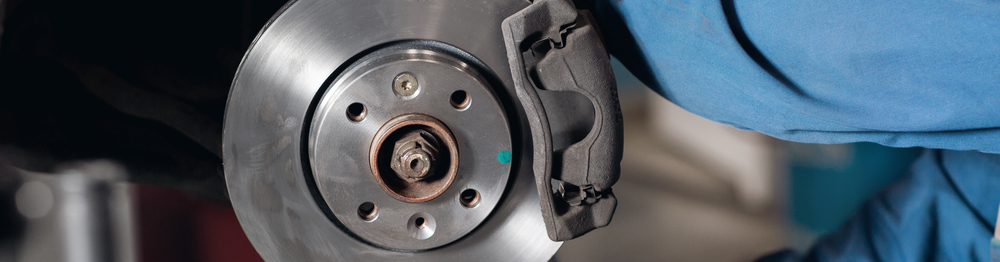
Why brake maintenance matters for your Honda
Your vehicle's braking system is the single most critical safety component for every daily drive through Effingham. Whether you are running errands around town, making school drop-offs along Keller Drive, or cruising at highway speeds on I-57 and I-70, having crisp, responsive stopping power gives you complete peace of mind in unpredictable Midwestern weather.
At Roy Schmidt Honda, our factory-trained service technicians specialize in the exact engineering and hydraulic tolerances of your specific Honda model—from the Civic and Accord to the CR-V, Pilot, and Ridgeline. We exclusively utilize genuine OEM Honda brake pads, rotors, calipers, and factory fluids engineered to match your vehicle's factory weight and electronic safety systems, ensuring quiet operation, long-lasting durability, and dependable stopping distance.
Schedule ServiceOur brake service process
| Step | What happens | Why it matters |
|---|---|---|
| Comprehensive inspection | We measure your brake pad thickness in millimeters, evaluate rotor surfaces for hot spots or grooving, check caliper slide pins and pistons, inspect flexible hydraulic lines for leaks, and test brake fluid moisture content. | Regular, detailed inspections identify uneven wear patterns and failing components early, preventing minor friction wear from developing into expensive rotor gouging, caliper replacement, or unexpected brake fade during family road trips. |
| Precision component replacement | If your pads, rotors, or calipers require service, we install genuine OEM Honda parts engineered to exact factory metallurgy and friction formulas, lubricate guide pins, and adjust parking brake cables to factory specs. | Genuine Honda components ensure quiet, low-dust operation, exact dimensional fit, and seamless integration with your Honda Sensing® safety suite, preventing premature brake wear and preserving factory stopping performance. |
| System testing and verification | We bleed the hydraulic lines to eliminate trapped air, top off with fresh Honda DOT 3 or DOT 4 fluid, torque lug nuts to factory specifications, and conduct a road test to verify smooth, quiet, and balanced stopping. | Thorough dynamic testing confirms that every component is properly seated and functioning in harmony, ensuring your Honda is ready to handle local Effingham traffic, US-45 highway travel, and sudden stops with complete confidence. |
Local Honda brake care in Effingham
Roy Schmidt Honda is proud to serve drivers across Effingham, Teutopolis, Altamont, Mattoon, and throughout Effingham County with honest, dependable automotive care. South Central Illinois driving brings a wide variety of road challenges—from rural gravel dust and sudden farm implement slowdowns to congested highway interchanges at I-57 and I-70 where responsive brakes are non-negotiable.
Our certified service facility is equipped with state-of-the-art diagnostic tools to handle all your brake maintenance needs across changing Midwest seasons. Whether preparing your vehicle for winter road salt and slick conditions or getting ready for summer family travel, our friendly service team is dedicated to keeping your Honda running safely for miles to come.
Plan your service visit
Schedule Service Online
Choose an appointment window that fits your day.
Review Current Specials
Check current offers before booking or visiting.
Contact the Service Team
Ask about symptoms, timing, or next steps.
Order Parts
Order genuine OEM parts for your vehicle.
Useful Questions and Answers About Brake Repair in Effingham, IL
How often should I have my Honda brakes inspected?
We recommend having your brakes thoroughly inspected during every routine oil change, or at least every 6 months to 12 months (roughly every 5,000 to 7,500 miles). Regular inspections allow our certified technicians to measure your brake pad thickness in millimeters, evaluate rotor runout, and catch uneven wear before it causes costly damage to your braking system.
What are the most common signs that my brake pads are worn out?
The most frequent warning signs include a high-pitched squealing noise caused by acoustic wear indicators, a harsh grinding metal-on-metal sound during hard stops, a vibrating or pulsating steering wheel or brake pedal, a soft or spongy pedal that sinks lower than normal, or your vehicle pulling to one side under braking.
Do you use genuine Honda parts for brake repairs?
Yes, at Roy Schmidt Honda, we exclusively utilize genuine OEM Honda brake pads, rotors, calipers, and factory-approved brake fluids. Genuine Honda parts are engineered specifically to match your vehicle's exact weight, suspension dynamics, and electronic safety systems, ensuring quiet operation, low brake dust, and factory-standard stopping power.
Can I wait for my vehicle while the brake service is performed?
Yes, absolutely! We offer a clean, comfortable customer lounge equipped with complimentary Wi-Fi, fresh coffee, refreshments, and quiet seating so you can relax or get work done while our certified technicians complete your vehicle's brake inspection or service.
What happens if I ignore grinding noises from my brakes?
Ignoring metallic grinding noises means the friction material on your brake pads has worn away completely, leaving the bare steel backing plate to scrape directly against the brake rotor. Continuing to drive will heavily gouge the rotors, generate extreme friction heat that can damage calipers, significantly increase stopping distance, and substantially increase your total repair bill.
How does the weather in Effingham affect my brakes?
Central Illinois weather brings extreme temperature swings—from freezing winter temperatures with road salt and slush to hot, humid summers. Winter road chemicals accelerate surface rust and can cause caliper slider pins to seize, while summer heat accelerates brake fluid breakdown and thermal rotor warping. Routine seasonal inspections protect your braking system year-round.
Is brake fluid replacement part of a standard brake service?
Brake fluid is hygroscopic, meaning it naturally absorbs moisture from the air over time. Moisture in the hydraulic lines lowers the fluid's boiling point, which can cause brake fade under heavy stopping and internal corrosion of the master cylinder and calipers. Honda generally recommends replacing brake fluid every 3 years, and our technicians test fluid condition during every brake service.
How can I schedule a brake service appointment at Roy Schmidt Honda?
Scheduling your brake service is fast and easy! You can book an appointment 24/7 using our secure online service scheduling tool on our website, or you can call our service department directly to speak with one of our knowledgeable service advisors in Effingham, IL.
Will my vehicle stop differently after new brake pads are installed?
Yes, fresh brake pads will feel noticeably firmer and more responsive under your foot. There is a brief bedding-in period of approximately 100 to 200 miles where new pads transfer an even layer of friction material to the rotor face. Once properly seated, you will enjoy smooth, quiet, and confident stopping performance.
Are there specific brake services for different Honda models?
Yes, different Honda models have distinct braking engineering. For example, larger vehicles like the Honda Pilot, Passport, and Ridgeline feature heavy-duty multi-piston calipers and thicker ventilated rotors designed for towing, while hybrid models like the Accord Hybrid and CR-V Hybrid utilize regenerative braking systems requiring specialized electronic diagnostic calibration.